Living in Fort Lauderdale means enjoying sunshine, ocean breezes, and a lifestyle most people dream about. But it also means watching your interior walls deteriorate far sooner than they should. That fresh coat of paint you applied a couple of years ago is already peeling, bubbling, or looking chalky, while homeowners in drier states get seven or more years out of the same product. The frustration is real, and it is more common than you think.
The truth is, interior paint in Fort Lauderdale, FL faces a unique set of challenges that most other parts of the country simply do not deal with. The combination of high humidity, salt air, and intense heat creates an environment where paint breaks down faster than it should. Understanding why this happens is the first step toward making smarter choices for your home. Companies like Renew Painting & Remodeling have spent years helping Fort Lauderdale homeowners navigate these exact issues, and the insights they share can save you both time and money.
Let us break down the science, the common mistakes, and the solutions that actually work.
What Does Paint Failure Actually Look Like?
Before diving into the causes, it helps to know what you are looking at. Paint failure is not always dramatic. Sometimes it starts subtly, and by the time you notice it, the damage is already well underway.
The most common signs include peeling, where layers of paint lift away from the wall surface and curl. Bubbling is another telltale sign, where small or large blisters form under the paint film. You might also notice chalking, which feels like a powdery residue when you run your hand across the surface. Cracking and flaking happen when paint dries out and loses its flexibility. Discoloration, often in the form of yellow or brown stains, can indicate moisture problems underneath.
Any of this probably sounds familiar. These issues are incredibly common across South Florida homes, and they almost always trace back to a handful of root causes tied directly to the local environment.
The Fort Lauderdale Climate Factor
Fort Lauderdale is a beautiful place to live. The beaches, the lifestyle, the year-round warmth. But that same tropical climate is working against your interior paint every single day. Here is how.
Humidity: The Silent Paint Killer
Fort Lauderdale averages around 75% relative humidity throughout the year. During the wet season, that number climbs even higher. So why does this matter for your paint?
Paint needs to cure properly after application. Curing is the chemical process where paint transitions from a liquid film to a hard, durable coating. High humidity slows this process dramatically. Paint that cannot cure fully remains soft and vulnerable. That softness makes it far more susceptible to peeling and blistering down the road.
But the issue does not stop after the initial cure. Even fully cured paint absorbs moisture from the air over time. In a high-humidity environment, paint films are constantly swelling and contracting at a microscopic level. This repeated stress weakens the bond between the paint and the wall, eventually causing adhesion failure.
Think of it like bending a paperclip back and forth. It does not break on the first bend, but after enough repetitions, it snaps. That is essentially what humidity does to your interior paint over months and years.
Temperature Swings and Moisture Cycling
Fort Lauderdale might seem like it has consistent temperatures, but the reality inside your home is more complicated. Most homes run air conditioning heavily during the day, then turn it down or off at night. This creates a cycle of cool, dry air followed by warm, humid air.
Every time this cycle repeats, moisture moves in and out of your walls. This constant expansion and contraction puts stress on the paint film, particularly at seams, corners, and areas near windows and doors. Over time, this moisture cycling leads to cracking and delamination that you would rarely see in drier, more temperature-stable climates.
Salt Air Penetration from the Coast
Most of Fort Lauderdale sits within a few miles of the ocean, and salt air is another factor working against your interior paint. Salt is hygroscopic, which means it attracts and holds moisture. When salt particles settle on surfaces, they pull moisture to them, creating concentrated wet spots that accelerate paint breakdown.
Salt can enter your home through open windows, ventilation systems, and even tiny gaps in your building envelope. Once inside, those particles settle on walls and begin their slow, corrosive work. This is one of the reasons why homes near the coast tend to need repainting more frequently than inland properties, even on the interior.
Common Reasons Interior Paint Deteriorates Prematurely
Climate is a major factor, but it is not the only one. Several common mistakes during the painting process itself can set your walls up for early failure. Understanding these pitfalls is crucial for anyone who wants their next paint job to actually last.
Poor Surface Preparation
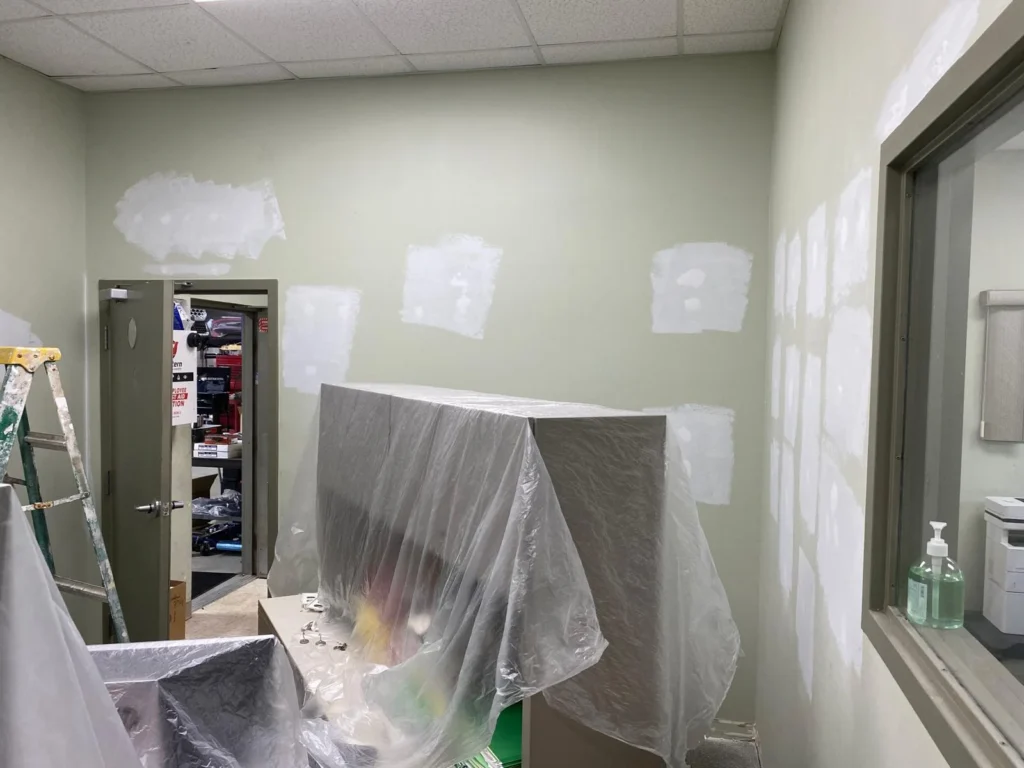
This is, without question, the number one reason paint fails prematurely in any climate. In Fort Lauderdale, it is even more critical. Proper surface preparation means cleaning walls thoroughly, repairing any cracks or damage, sanding glossy surfaces, and ensuring the substrate is completely dry before applying any paint.
Many homeowners skip the cleaning step, not realizing that invisible films of grease, dust, and mildew spores prevent paint from bonding correctly. In Fort Lauderdale’s humid environment, there is almost always some level of mildew present on walls, even when you cannot see it. Painting over that contamination is like trying to stick a bandage on wet skin. It might hold for a moment, but it will not last.
Using the Wrong Paint Products
Not all paint is created equal. Standard interior latex paint that works perfectly in Phoenix or Denver may not hold up in South Florida. Interior paint in Fort Lauderdale, FL needs specific properties to stand up to the local conditions.
You want a paint formulated with high-quality acrylic resins that maintain flexibility in high-humidity environments. Look for products labeled as mildew-resistant or specifically designed for high-moisture areas. The sheen level matters too. Flat and matte finishes, while aesthetically popular, are more porous and absorb more moisture than satin, eggshell, or semi-gloss finishes. In a humid climate, that porosity works against you.
Inadequate Ventilation in the Home
Your HVAC system and home ventilation play a huge role in how long your interior paint lasts. Homes with poor airflow create pockets of stagnant, humid air, particularly in closets, behind furniture, and in corners. These areas become breeding grounds for moisture-related paint failure.
Homes without adequate exhaust fans in bathrooms and kitchens, or those with undersized air conditioning systems for their square footage, essentially trap moisture inside. That trapped moisture goes to work on your paint from the inside out, causing bubbling and peeling that starts at the wall surface level before becoming visible on the paint itself.
Skipping or Misapplying Primer
Primer exists for a reason. It creates a uniform, adhesion-friendly surface for paint to grip. In Fort Lauderdale, using a high-quality, moisture-blocking primer is not optional. It is essential.
Many DIY painters and even some contractors skip primer to save time or money. Others apply it too thinly or do not allow it to dry fully before adding the topcoat. In a humid environment, these shortcuts come back to haunt you quickly. A proper primer layer acts as a moisture barrier, preventing water vapor from penetrating to the wall surface and undermining your topcoat from below.
How Mold and Mildew Accelerate Paint Breakdown
Mold and mildew deserve their own section because they are such a significant problem in Fort Lauderdale. The warm, humid conditions here are essentially paradise for mold growth. And mold does not just sit on top of your paint. It grows into and beneath the paint film, breaking down the chemical bonds that hold it together.
You might notice mold as dark spots or a fuzzy growth pattern on your walls. But by the time mold is visible, it has usually been growing beneath the surface for weeks or months. The enzymes that mold and mildew produce literally digest the organic compounds in paint, weakening the film from within.
This is why simply painting over mold never works. The growth continues underneath the fresh paint, and within months you are right back where you started, often worse. Proper mold remediation before painting is absolutely necessary in South Florida homes. This means killing the mold with appropriate treatments, removing any damaged material, and ensuring the surface is completely clean and dry before priming and painting.
Why Certain Rooms Fail Faster Than Others
Not every room in your home faces the same conditions. Some spaces are far more prone to paint failure than others, and understanding why can help you prioritize your maintenance efforts.
Bathrooms and Kitchens
These are the most obvious high-risk areas. Bathrooms generate enormous amounts of steam and moisture from showers and baths. Kitchens produce steam from cooking, plus grease that settles on walls and compromises paint adhesion.
In Fort Lauderdale, these rooms are fighting a double battle. The ambient humidity is already high, and then you are adding even more moisture through daily use. Bathrooms without a properly functioning exhaust fan are virtually guaranteed to experience premature paint failure on walls and ceilings. Make it a habit to run those fans during every shower and for at least 20 minutes afterward.
Garages and Laundry Rooms
Garages are often overlooked, but they are a major problem area for interior paint. Most garages in Fort Lauderdale are not climate-controlled, which means they experience the full force of the outdoor humidity and temperature swings. Walls shared between the garage and living spaces can transfer that moisture into your conditioned rooms.
Laundry rooms are similar. Dryers that vent improperly, or front-load washers that trap moisture, add significant humidity to these small spaces. Without adequate ventilation, the paint in laundry rooms tends to peel and blister much faster than in the rest of the home.
What You Can Do to Protect Your Interior Paint
Now that you understand why paint fails faster here, let us talk about what you can actually do about it. The good news is that with the right approach, interior paint in Fort Lauderdale, FL can look great for years. It just takes some knowledge and intentional decision-making.
Choose the Right Paint Formulation
Select a premium-grade interior paint with 100% acrylic resin. These formulations offer superior flexibility and moisture resistance compared to cheaper vinyl-acrylic blends. Look for paints that include built-in mildew inhibitors, and consider using a satin or eggshell finish in high-moisture areas rather than flat.
Some paint manufacturers make product lines specifically designed for tropical and coastal climates. These products typically offer enhanced moisture resistance and better adhesion in high-humidity conditions. Ask your paint supplier about these options before defaulting to a standard interior product.
Invest in Proper Surface Prep
This cannot be overstated. Clean every surface thoroughly before painting. Use a solution designed to kill mildew and remove any existing contamination. Sand glossy surfaces to create mechanical adhesion. Fill and repair any cracks, holes, or damaged drywall. Allow every repair to dry completely before moving forward.
In Fort Lauderdale, “completely dry” means verifying with a moisture meter, not just eyeballing it. Drywall that looks dry on the surface can still hold significant moisture within, especially after the rainy season. Painting over damp substrate is one of the most common causes of paint failure in this area.
Control Indoor Humidity Levels
Keep your indoor humidity between 40% and 50%. This is the sweet spot where your paint will last longest and your home will feel most comfortable. Invest in a quality dehumidifier when your HVAC system alone cannot maintain these levels. Run exhaust fans during and for at least 20 minutes after cooking and bathing.
Check your home for air leaks around windows, doors, and utility penetrations. Every gap that allows humid outdoor air inside is working against your paint. Sealing these entry points not only protects your paint but also reduces your energy bills.
Work with Professionals Who Understand the Local Climate
Not every painter understands the specific challenges of working in a tropical coastal environment. The techniques, products, and preparation methods that work in other parts of the country simply do not translate directly to South Florida. Renew Painting & Remodeling has built their approach specifically around the demands of the Fort Lauderdale climate, focusing on thorough preparation, climate-appropriate products, and proper application techniques that account for humidity and temperature conditions.
Conclusion
Interior paint failure in Fort Lauderdale is not a mystery. It is the predictable result of a demanding tropical climate meeting unprepared surfaces, wrong products, or improper techniques. High humidity, salt air, temperature cycling, and mold pressure all conspire to break down paint faster than you would see in most other U.S. cities. But understanding these forces gives you a real advantage.
Choosing the right products, preparing surfaces correctly, controlling indoor moisture levels, and working with professionals who truly know the local conditions keeps your interior paint looking beautiful for years. Renew Painting & Remodeling continues to help Fort Lauderdale homeowners make exactly these kinds of informed decisions, turning paint jobs from short-term fixes into long-term investments. Your walls deserve better than a two-year lifespan. With the right approach, they can get it.
FAQs
How long should interior paint last in Fort Lauderdale?
With the right products, proper preparation, and controlled indoor humidity, quality interior paint should last between five and seven years in Fort Lauderdale. In high-moisture rooms like bathrooms, you may see wear closer to the three-to-five-year mark even with best practices.
What type of paint finish is best for humid climates?
Satin and eggshell finishes are generally the best choices for humid climates. They offer a balance between aesthetic appeal and moisture resistance. Semi-gloss works well in bathrooms and kitchens where moisture levels are highest. Flat and matte finishes, while attractive, tend to absorb more moisture and are more prone to mildew growth.
Can I just paint over mold on my walls?
No. Painting over mold is one of the worst things you can do. The mold will continue to grow beneath the new paint, eventually causing peeling, bubbling, and discoloration again. You must kill the mold, remove it thoroughly, and ensure the surface is clean and dry before applying primer and paint.
Why does my paint bubble even after prepping the surface?
Bubbling typically indicates trapped moisture. Even with good surface cleaning, underlying drywall or plaster containing moisture will push outward as it evaporates, creating blisters under the paint film. Use a moisture meter to verify that walls are truly dry before painting, and ensure your home has adequate ventilation to prevent moisture buildup.
Is it worth paying more for premium paint in South Florida?
Absolutely. Premium paints with 100% acrylic resins provide significantly better adhesion, flexibility, and moisture resistance than budget alternatives. In a climate as demanding as Fort Lauderdale’s, the cost difference between a premium and a budget paint is small compared to the cost of repainting your home two or three years earlier than necessary. The investment in quality products pays for itself over time.