Timing a paint job might seem like a minor detail, but here in South Florida, it can make or break the entire project. Fort Lauderdale’s tropical climate brings a unique mix of heat, humidity, salt air, and unpredictable rain that directly affects how well paint adheres, cures, and holds up over time. Choosing the wrong month to paint your home is one of the fastest ways to waste money on a finish that peels or blisters within a year.
That is exactly why so many homeowners turn to experienced painting services in Fort Lauderdale, FL for guidance on scheduling. Renew Painting & Remodeling has helped countless local homeowners time their projects for maximum durability, and the advice they share comes straight from years of hands-on experience in this climate. So when exactly should you schedule that paint job? Let us walk through the seasons, the science, and the strategy.
Why Timing Matters More Than You Think
Paint is not just color on a wall. It is a chemical product that needs specific environmental conditions to perform correctly. Temperature, humidity, dew point, and rain exposure all play a role in how paint bonds to a surface and how it cures into a durable, protective film.
Apply paint under the wrong conditions, and you are looking at adhesion failure, bubbling, slow drying, uneven finish, or premature peeling. Apply it under the right conditions, and that same product can look fantastic for five to seven years or longer. The difference is not the paint itself. It is the timing and conditions during the application.
In a place like Fort Lauderdale, where humidity rarely drops below 60% and summer rain arrives like clockwork almost every afternoon, understanding these conditions is not optional. It is essential for any homeowner planning a painting project.
Understanding Fort Lauderdale’s Climate and Paint Performance
Fort Lauderdale sits in USDA Hardiness Zone 10b, with a true tropical climate. That means warm temperatures year-round, high humidity, a distinct wet season, and proximity to the Atlantic Ocean, which adds salt and moisture to the air. Each of these factors affects paint differently depending on the time of year.
The Wet Season Challenge (June Through November)
Fort Lauderdale’s wet season runs roughly from June through November, with the peak rainfall months being June, September, and October. During this period, the city averages about 6 to 10 inches of rain per month. Humidity frequently sits above 80%, and afternoon thunderstorms roll in almost daily.
For exterior painting, these conditions are extremely problematic. Paint needs a dry surface and several hours of dry weather after application to begin curing properly. A sudden afternoon downpour on freshly painted siding can wash away the finish or cause it to blister and lose adhesion. Even on days without rain, the extreme humidity slows drying times dramatically, leaving the paint film soft and vulnerable for much longer than normal.
Interior painting fares better during the wet season, but the high humidity still slows curing times and can lead to issues with adhesion on walls that hold moisture. Running air conditioning helps, though it does not eliminate the challenge entirely.
The Dry Season Advantage (December Through May)
Fort Lauderdale’s dry season stretches from roughly December through May. Monthly rainfall drops to between 2 and 3 inches, humidity levels decrease noticeably, and temperatures settle into a comfortable range between the mid-60s and mid-80s Fahrenheit. These conditions are dramatically better for painting.
Lower humidity allows paint to dry and cure at a proper pace. Reduced rainfall means fewer weather delays for exterior projects. And the milder temperatures prevent the paint from drying too quickly on the surface, which can trap solvents underneath and cause bubbling or poor adhesion.
This is the window that most experienced local painters in Fort Lauderdale, FL recommend for scheduling both interior and exterior painting projects.
The Sweet Spot: Late Fall and Early Winter
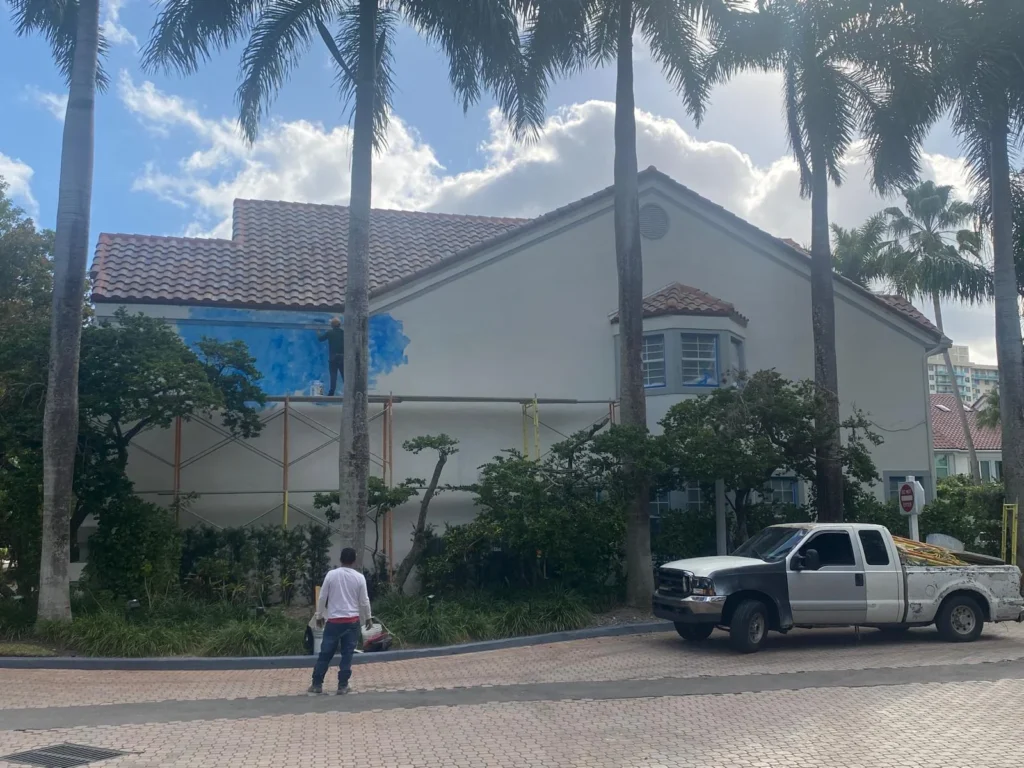
Ask most painting professionals in South Florida when they prefer to work, and the answer almost always falls between late November and early February. This stretch offers the most consistent and favorable painting conditions Fort Lauderdale sees all year.
Lower Humidity Means Better Adhesion
During late fall and early winter, relative humidity in Fort Lauderdale often drops into the 55% to 65% range, especially during morning hours. This is a significant improvement over the 80% to 90% levels common during summer. Lower humidity allows the paint to bond more effectively to the surface, creating a stronger, more durable finish.
Paint manufacturers generally recommend applying their products when relative humidity stays below 70%. The late fall and winter months give Fort Lauderdale homeowners the best chance of staying within that range for extended periods.
Milder Temperatures Create Ideal Curing Conditions
Most exterior paints perform best when applied in temperatures between 50°F and 85°F. Fort Lauderdale’s winter temperatures typically range from the mid-60s to the low 80s, which falls perfectly within that window. The absence of extreme heat prevents the paint from skinning over too quickly on the surface, which allows for proper film formation and a smoother finish.
Summer temperatures in Fort Lauderdale regularly push into the 90s, and surfaces in direct sunlight can reach well above 100°F. Applying paint to a surface that is hot causes the outer layer to dry almost instantly while the inner layer remains wet. This leads to cracking, blistering, and poor long-term durability.
Less Rain Means Fewer Delays
One of the biggest practical benefits of painting during the dry season is simple project reliability. Fewer rain days mean fewer interruptions, tighter timelines, and a more predictable process from start to finish. Exterior painting projects that might stretch over three or four weeks during summer, due to weather delays, can often wrap up in half that time during the dry months.
For homeowners on a budget or a schedule, this predictability matters. Fewer delays mean lower labor costs and less disruption to your daily routine.
What About Painting During Spring in Fort Lauderdale?
Spring, specifically March through May, remains a solid window for house painting in Fort Lauderdale, FL. Temperatures are warm but not yet extreme, and rainfall is still relatively low compared to the summer months. Many homeowners choose this window because it allows them to freshen up their home’s appearance before the social season or ahead of summer entertaining.
The main thing to watch during spring is the gradual increase in humidity as the wet season approaches. By late May, humidity levels start climbing noticeably, and the first scattered afternoon storms begin appearing. Projects started in March or early April usually have plenty of buffer. Projects pushed to late May are cutting it closer and may face some weather-related delays.
Spring is also a popular time for house painting in Fort Lauderdale, FL, which means painting contractors tend to book up quickly. Planning and scheduling early gives you the best chance of securing your preferred dates with a quality crew.
Summer Painting: Possible but Risky
Can you paint a house in Fort Lauderdale during the summer? Technically, yes. Should you? That depends on your tolerance for risk and delay.
Heat and Direct Sunlight Concerns
Summer temperatures in Fort Lauderdale consistently reach the upper 80s and low 90s. Surfaces in direct sunlight, especially darker colors, can exceed 120°F. At those temperatures, paint dries on the surface almost immediately, trapping moisture and solvents underneath. The result is a finish that looks fine initially but develops bubbles, cracks, and peeling within weeks or months.
Experienced painters working during summer need to follow the shade around the house, painting only the sides that are not in direct sunlight. This approach works but slows the project considerably and requires careful planning.
Afternoon Thunderstorms and Scheduling
Fort Lauderdale’s summer thunderstorms are famously predictable. Almost every day between June and September, storms roll in during the mid to late afternoon. For exterior painting, this creates a narrow work window between early morning and early afternoon. Any work done after that point risks getting rained on before it has time to dry.
This compressed schedule means exterior painting projects take significantly longer during summer. A job that might take a week during the dry season could easily stretch to two or three weeks during the rainy months. The stop-and-start nature of summer painting also increases the risk of visible lap marks and inconsistent finish quality.
Interior vs. Exterior: Does the Season Matter for Both?
This is a question that comes up constantly, and the answer is nuanced. The season affects interior and exterior painting differently, and understanding the distinction helps you plan more effectively.
When Interior Painting Makes Sense Year-Round
Interior painting is far less dependent on weather and season than exterior work. Your air conditioning system controls the temperature and humidity inside your home, creating conditions that are generally acceptable for painting at any time of year.
That said, even interior projects benefit from lower outdoor humidity. During the wet season, opening and closing doors introduces bursts of humid air that can affect freshly painted surfaces. Rooms with poor ventilation or without direct AC coverage, like closets, laundry rooms, and garages, are more susceptible to humidity-related issues during the summer months.
The ideal approach for interior painting in Fort Lauderdale is to keep your AC running consistently during and for at least 48 hours after painting, maintain good airflow through the space, and avoid leaving windows or doors open while paint cures. Following these steps makes year-round interior painting entirely feasible.
When Exterior Painting Demands Seasonal Planning
Exterior painting is where timing becomes critical. Every surface is fully exposed to whatever Fort Lauderdale’s weather delivers that day. Rain, humidity, temperature, dew, and direct sunlight all affect the outcome. There is simply no way to control these factors the way you can with interior work.
For exterior projects, the dry season between December and May is the clear recommendation. Within that window, the November-through-February stretch offers the most consistently favorable conditions. Planning exterior work outside this window is possible but comes with significantly more risk and potential for delays.
How to Plan Your Painting Project Around the Weather
Knowing the best season is one thing. Actually planning your project around it takes a bit more effort. Here are the key steps to set yourself up for success.
Monitor Humidity and Dew Points
Humidity and dew point are the two most important weather factors for painting. Most paint products require the surface temperature to be at least 5°F above the dew point to prevent moisture from condensing on the fresh paint. In Fort Lauderdale, dew points run high year-round, so tracking this number daily during your project is important.
A simple hygrometer or a weather app that shows dew point readings can help you and your painting crew make smart daily decisions about when to start and stop work.
Book Painting Contractors Early in the Season
The dry season is peak season for painting contractors in Fort Lauderdale, FL. Quality crews book up fast, especially between November and February. Waiting until January to call around for quotes often means you will not get on the schedule until March or later.
Renew Painting & Remodeling recommends reaching out at least four to six weeks before your preferred start date. This gives you time to get a thorough estimate, finalize color choices, and order any specialty products without feeling rushed.
Choose Climate-Appropriate Paint Products
Not every paint product is suited for Fort Lauderdale’s conditions. Look for exterior paints formulated for high-humidity, coastal environments. These products contain additives that resist mildew growth, maintain flexibility in fluctuating humidity, and offer enhanced UV resistance to handle South Florida’s intense sunlight.
For interiors, 100% acrylic latex paints with mildew-resistant properties provide the best performance in this climate. Choosing a satin or eggshell finish over a flat finish adds an extra layer of moisture resistance that makes a noticeable difference over time.
Your painting contractor should be able to recommend specific products that perform well locally. Teams like Renew Painting & Remodeling select their products specifically based on what holds up best in the Fort Lauderdale environment, taking the guesswork out of product selection.
Conclusion
Painting a house in Fort Lauderdale is about more than picking a color and hiring a crew. The timing of your project plays a direct role in how the paint performs, how long it lasts, and how much you ultimately spend on maintenance and repainting. The dry season, running from December through May, offers the most favorable conditions for both interior and exterior work. Within that window, the late fall and early winter months stand out as the absolute sweet spot.
Summer painting is possible but comes with significant compromises in terms of scheduling, finish quality, and long-term durability. Spring remains a strong option as long as you start early enough to beat the returning humidity. And interior projects, while more flexible, still benefit from the lower humidity levels the dry season provides.
The key takeaway is simple. Plan, understand your local climate, and work with painting services in Fort Lauderdale, FL that know how to navigate these conditions. Your home is one of your biggest investments. Timing your paint job right is one of the easiest ways to protect it.
FAQs
What months are best for exterior painting in Fort Lauderdale?
The best months for exterior painting in Fort Lauderdale are December through February. This period offers the lowest humidity, the least rainfall, and the most comfortable temperatures for proper paint application and curing. March through May is also a good window, though humidity begins rising toward the end of that stretch.
Can painters work during Fort Lauderdale’s rainy season?
Yes, but with significant limitations. Interior painting is entirely feasible during the rainy season as long as the home’s AC is running and humidity is controlled indoors. Exterior painting becomes much more challenging due to daily afternoon thunderstorms and elevated humidity. Projects take longer, cost more, and carry a higher risk of finish problems.
How far in advance should I book a painting contractor in Fort Lauderdale?
For dry-season work between November and February, booking four to six weeks in advance is ideal. This is peak season for painting in the area, and quality crews fill their schedules early. For spring or summer projects, two to four weeks of lead time is usually sufficient, though early planning always gives you more options.
Does humidity affect interior paint as much as exterior?
Indoor humidity is much easier to control than outdoor conditions, so interior paint is less affected by seasonal changes. However, high outdoor humidity still impacts rooms with poor ventilation, and opening doors frequently during the wet season introduces moist air that can slow curing. Keeping your AC running and maintaining consistent airflow minimizes these effects.
Is it worth waiting for the dry season to paint, or should I just get it done now?
For exterior projects, waiting for the dry season almost always produces better results and saves money in the long run. The improved curing conditions lead to a more durable finish, fewer weather delays keep labor costs down, and the overall quality of the job is noticeably higher. For interior projects, the urgency is lower since indoor conditions are more controllable, but the dry season still offers a slight advantage in overall paint performance.